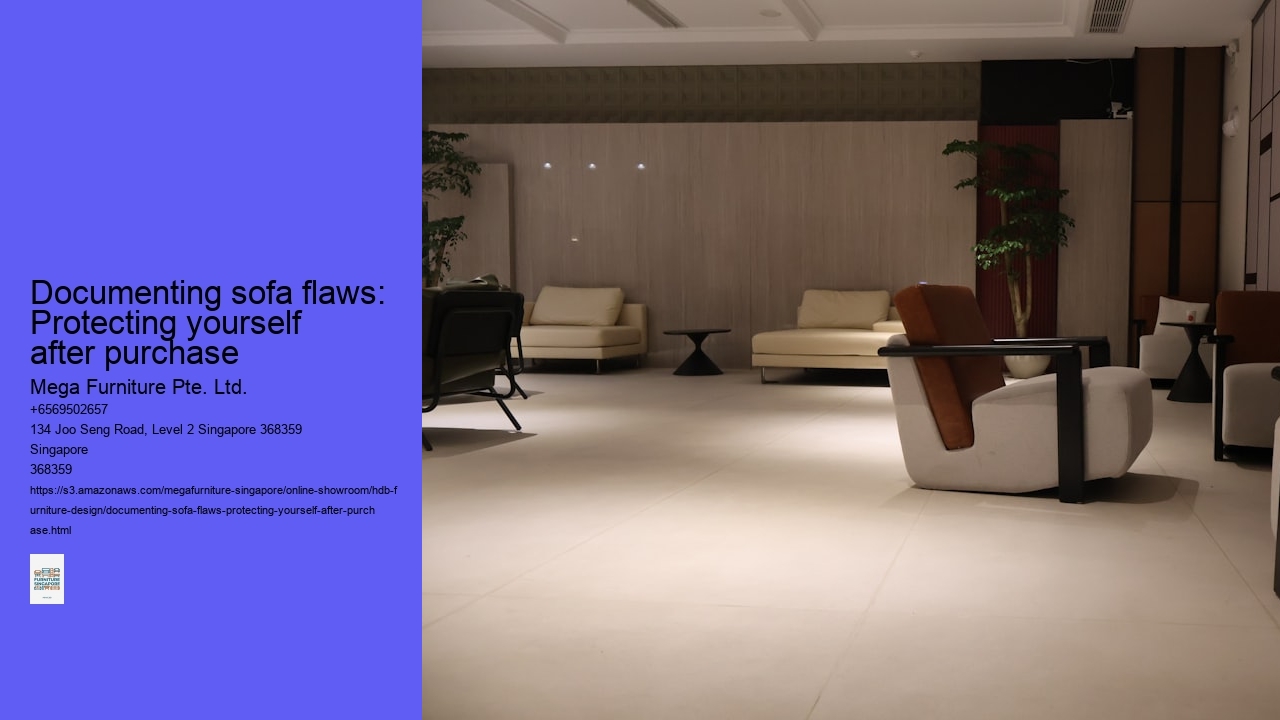
You sink into a plush cloud of a sofa in the cool, dry air of a showroom, only to find it sitting firm and unforgiving in your living room a month later. That’s not your imagination—it’s physics. The constant 80%-plus humidity in a typical HDB flat interacts with the cushion materials in a way the showroom’s powerful air-conditioning never does. It’s a classic mismatch between the controlled retail environment and the real-world climate your furniture must endure.
The core of the issue often lies in foam density, a spec many buyers don’t think to ask for. A low-density foam might feel wonderfully soft for a few minutes in the showroom, but it lacks the structural integrity to resist our humidity and daily use. Over time, and especially in a warm, moist environment, it will compress and lose its bounce, leaving you with a flat, firm seat. You want a high-density foam—it’s the difference between a temporary squish and long-term support that holds its shape.
Don’t just plop down and get up; you need to interrogate the construction. Ask specifically about the spring system inside. An eight-way hand-tied system offers superior, lasting comfort and adapts to weight, but it’s a premium feature. More common are sinuous spring systems or webbing; these are fine, but their longevity and feel depend heavily on the quality of materials and how they’re anchored to the frame. A cheap sinuous spring in a humid room can feel like sitting on a trampoline that’s lost its tension.
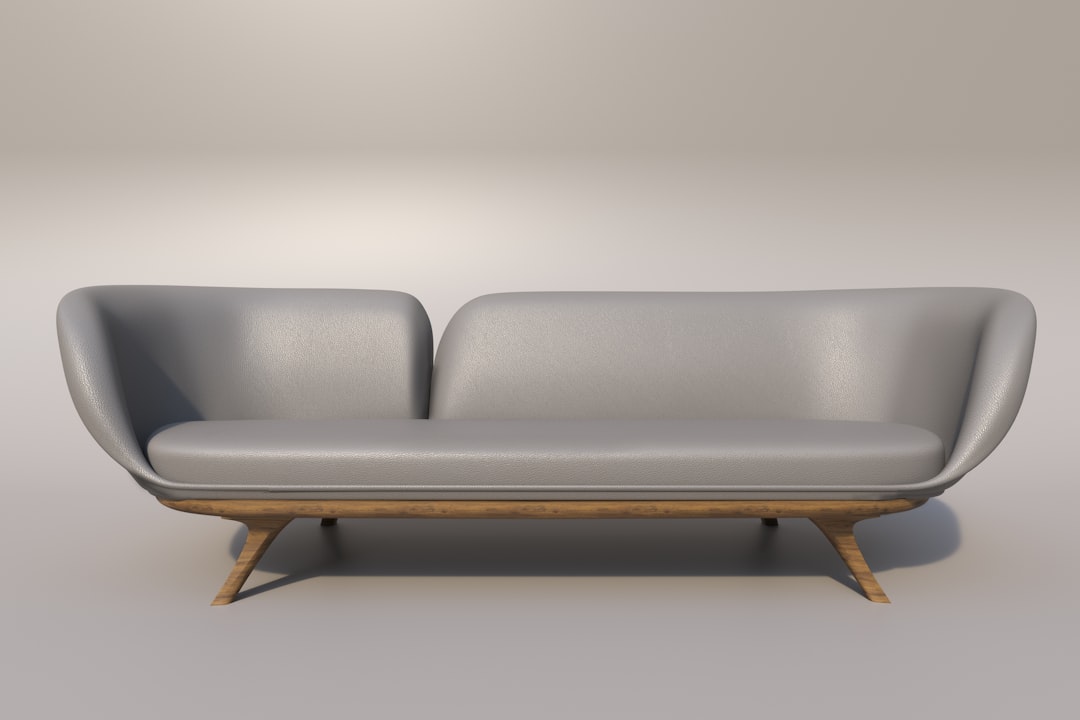
So during your visit to a Tampines or Joo Seng showroom, treat your sit-test like a proper investigation. Plant yourself for a good ten minutes, not ten seconds. Ask the staff directly: “What’s the foam density?” and “What type of spring system is inside?” If they can’t answer or seem vague, that’s a red flag. The only time I’d compromise is if you’re buying a strictly decorative piece for a rarely used, air-conditioned room—for a daily-driver sofa in a humid HDB living room, those specs are non-negotiable.
That little square of velvet feels like a promise in your hand—plush, dense, and impossibly rich. It’s a tactile illusion. What you’re actually holding is a best-case scenario, a pristine sample that hasn’t faced a single afternoon of Singapore’s punishing west sun or the determined claws of a house cat. Committing to a premium sofa based on that swatch alone is like buying a car after only seeing the showroom model under perfect light. The real test happens at home, over years, under conditions that sample will never see.
Think about what a swatch can’t show you. It can’t reveal how a linen’s loose weave will pill relentlessly after twelve months of your teenager flopping onto the same corner every day. It won’t demonstrate how certain velvets hold onto every speck of dust and pet hair, creating a permanent shadow on the seat cushions. Most crucially, that tiny piece of fabric is utterly silent on how it will handle our humidity, which often sits around 80% and can cause some materials to feel perpetually damp or develop a faint mustiness if they aren’t breathable. These are performance failures you only discover after the delivery truck has left.
This is where the physical showroom earns its keep. You’re not just there to sit. You’re there to conduct your own stress test. Run your fingers hard against the nap of a velvet—does it leave a permanent crush mark? Dig a fingernail (discreetly) into a woven fabric—does it snag easily, hinting at future pulls from a pet or a watch clasp? Examine the sofa on the showroom floor, the one that’s been sat on by hundreds of shoppers; look for areas of wear, fading from the spotlights, any signs of the fabric losing its composure. That’s the true preview.

There is one exception to the swatch’s deception: performance fabrics like Crypton or Sunbrella. These are engineered with durability and stain resistance as their core promise, so their sample is a much more reliable indicator of real-world behaviour. For almost everything else—especially those beautiful, natural-fibre textiles—that little square is a starting point, not a guarantee. Your final decision should be based on how the entire piece looks and feels after you’ve given it the once-over in the showroom, imagining it in your own living room facing the afternoon glare. Don’t let a charming fragment talk you into a two-thousand-dollar regret.
The harsh fluorescent lights in a Tagore Lane warehouse are your best friend for this job. They reveal every subtle colour variation in marble and each tiny dimple on a leather hide that softer home lighting would hide. You want to spot these characteristics now, while the piece is still the showroom's responsibility, not later when you might be blamed for causing them. Natural light from a window won't show the same level of detail, and your living room's warm LEDs certainly won't. This step is about creating an indisputable visual record under the most revealing conditions possible. Make peace with the unflattering glare—it’s there to protect you.
Run your finger along every single stitching line, from the top of the back cushions to the underside of the seat deck. On a premium sofa, threads should lie flat and tight with no loose ends or puckering fabric pulling at the leather. Photograph the start and end points of seams, especially where different panels meet at corners, as these are stress points that can fail. Any gap or uneven tension here isn't just cosmetic; it’s a potential tear waiting to happen after months of use. Capture these details from multiple angles to show the seam's entire condition.
Marble veins and leather grain are naturally unique, but scratches and chips are not. Get close with your camera and methodically photograph every square inch of exposed stone on arms or bases, and the entire surface of leather panels. For marble, the concern is hairline cracks or dull patches where the polish is inconsistent. For leather, look for any scuffs, stretch marks, or areas where the dye looks lighter. This creates a baseline, so a fresh scratch from a careless mover's buckle stands out starkly against your pre-delivery photos. Don't rush this—it’s the core of your evidence.

A single straight-on shot is completely useless for proving a piece's condition. You need a full set: direct overhead shots of horizontal surfaces, low-angle shots looking up at undersides and legs, and oblique raking shots that make surface imperfections cast visible shadows. Photograph all four sides independently, treating each like a separate piece of evidence. This comprehensive approach leaves no room for a delivery crew to claim a dent was "always there" or hidden from a certain view. It turns your photo album into a forensic document.
Enable the timestamp function on your camera or smartphone before you start. This digitally stamps the date and time onto every image file's metadata, proving these photos were taken before the sofa left the warehouse. While you're at it, include a shot of that day's newspaper or a small digital clock in a few key frames for an extra layer of verification. Store all the images in a dedicated folder and consider a quick backup to the cloud before you even leave the showroom. This timestamp is your airtight alibi, closing the loop on any dispute about when a flaw first appeared.
It's a classic Singaporean scene: you fall for a sprawling L-shaped sofa in a cavernous Sungei Kadut showroom, only to have it swallow your entire BTO living room when it arrives. That sense of scale is an optical illusion. Showrooms are designed to make furniture look manageable, often with high ceilings and wide-open floor plans that your typical 4-room flat just can't replicate. The piece that felt like a perfect centrepiece under warehouse lighting becomes an immovable monolith against your feature wall.
So you must measure, but not just the room. Start with the journey in. An HDB lift door is typically around 90cm wide—that's your real bottleneck, not the living room entrance. A sofa that's 220cm wide might technically fit in your 3.5 by 4 metre space, but if it can't pivot through that 90cm opening, it's never getting off the loading bay. Corridor turns in older blocks are another common choke point. Always leave a 5cm buffer; skirting boards and door frames eat into your clearance more than you think.
Think about flow, too. A large sectional locks your layout permanently into one corner. In a compact living and dining area, that can block the natural path to the balcony or make the dining table feel cramped. A modular set offers more flexibility—you can break it up to create a walkway or reconfigure it for year-end hosting. But even then, each individual seat's footprint adds up quickly on your floor plan.
The one exception? If your flat is a corner unit with a genuinely generous, open-plan living area, you might pull off that statement L-shape. For most 90 sqm BTO layouts, though, a simpler two or three-seater with a separate ottoman gives you the same lounging function without dominating the space. It's about choosing furniture for the home you actually have, not the showroom you visited.
You know that initial plush comfort when you sink into a showroom sofa? It’s a trap. That heavenly softness often hides a lack of proper support, which you’ll feel as a nagging ache after thirty minutes of Netflix in your own living room. We’re conditioned to test mattresses properly—lying down, shifting positions, giving it time—but we treat sofas as a quick sit-and-bounce affair. That approach is a mistake for a piece you’ll spend years on.
Shift your mindset. Before you even approach a sofa, find a mattress display. Spend a few minutes on the firm, medium, and plush options to physically calibrate your body’s sense of support versus sink. This isn’t about picking a mattress; it’s about creating a personal reference point for what proper seating density feels like against your spine and hips. Then, apply that lesson to the sofas.
Your real test requires a committed fifteen minutes on any shortlisted piece. Don’t just perch on the edge; sit back properly, plant your feet flat, and mimic how you lounge at home. Pay attention to whether the seat cushion fully supports your thighs or leaves them hanging, and if the backrest keeps your spine in a neutral position. A quality seat won’t let you slump into a C-shape. The foam should be resilient enough to cradle you without bottoming out—you’re looking for that same buoyant, supportive feel you identified on the medium-firm mattress.
The only exception is if you’re buying purely for a formal, rarely used sitting area. For a daily-use family sofa in a 4-room BTO, where movie marathons and weekend naps happen, this extended test is non-negotiable. A sofa’s frame and high-density foam core are its skeleton; skimp there, and you’ll be dealing with premature sagging and discomfort that no amount of decorative cushion fluffing can fix. That initial plushness will compress into a permanent dip before your warranty is even up.
A new sofa showing a tear or a sag after just a few weeks can really make your heart sink. You've paid good money, you've waited for delivery, and now this. The key is to know exactly what you can do about it—and what you probably cannot.
'Sofa cushion sagging after one month Singapore' is a common search for a reason. A bit of initial softening is normal as foam settles, but a proper sag so soon often points to low-density foam. That's a manufacturing defect, not wear and tear. Your warranty should cover it, but you'll need to prove it's not just normal use. Take clear photos with a ruler showing the dip, and compare it to the showroom sample if you can.
'Can I return a sofa with a small tear?' This one, honestly, depends entirely on when you see it. If that tear is spotted during delivery inspection, you must note it on the delivery form before signing. That's your golden ticket. If you find it a week later, claiming it was from delivery gets much harder. Most retailers won't accept returns for minor damage discovered post-acceptance unless you have that signed proof.
'How to prove sofa damage was from delivery?' The process is everything. Don't just sign the form. Inspect every panel, every cushion, in good light before the delivery team leaves. If you see a scratch or a loose thread, point it out and have them note it on their copy and yours. Take your own timestamped photos right then and there. Without that documented handover, it becomes your word against theirs, and you'll likely lose.
'Leather fading in afternoon sun condo what to do?' Prevention is the only real fix here. Once the colour's gone, it's gone. West-facing windows in a condo are brutal on full-grain leather, let alone bonded or PU. If your layout's already set, you need to commit to UV-blocking films or heavy drapes. Some will suggest regular conditioning, which helps with dryness from the heat, but it won't stop the sun from bleaching the dye. That afternoon glare, it really wins one.
You’re standing in the showroom, pen poised over the sales agreement. That’s the moment where a few final physical checks save you from months of regret. Don’t let the excitement of a decision override your eyes and hands—the details you verify now are your only real leverage later.
Start with what you can’t see. Ask the salesperson to show you the frame construction, even if it means peeking under a corner of the upholstery. You want kiln-dried hardwood or plywood, not particleboard that can soften in our humidity. A solid frame is non-negotiable for a sofa over two thousand dollars. For any piece with moving parts—a recliner, a sleeper mechanism—test it. Not once or twice, but ten times. A smooth action on the tenth try tells you more about longevity than the first.
Colour is a trickster under showroom lights. That elegant grey might pull strangely blue in your living room’s afternoon sun or under cool LED bulbs. Ask to see a fabric swatch by a window, or even step outside the showroom entrance for a minute with it. Inconsistency here means your new centrepiece will clash with everything else you own.
Finally, get every single documented flaw onto the receipt. That tiny scratch on a leg, the slightly uneven stitching on a cushion back—point it out, have the salesperson note it down by item number, and ensure it’s printed on your final copy. This isn’t being difficult; it’s creating a binding record that prevents “it was already like that” disputes upon delivery. Without that line on the paper, you’ve agreed it was perfect when it left the store.